A Player’s Look Back at Brawl Stars’ Fifth Anniversary
Brawl Stars GM Frank Keienburg's fifth-anniversary interview reveals hard lessons, Brawl Pass changes, and a remarkable return to growth.
From my seat as an ordinary player in 2026, the fifth-anniversary interview with Brawl Stars General Manager Frank Keienburg reads like an old battle log that still explains the shape of the game. Back then, Supercell’s action game was celebrating five years with more than half a billion players and 170 billion matches played. That number is so large it stops feeling like a statistic and starts feeling like weather — something everyone has stood in without checking the forecast. The team marked the milestone in a very Supercell way: by shipping an update, which Keienburg called probably the biggest and best of 2023, packed with content for the community.
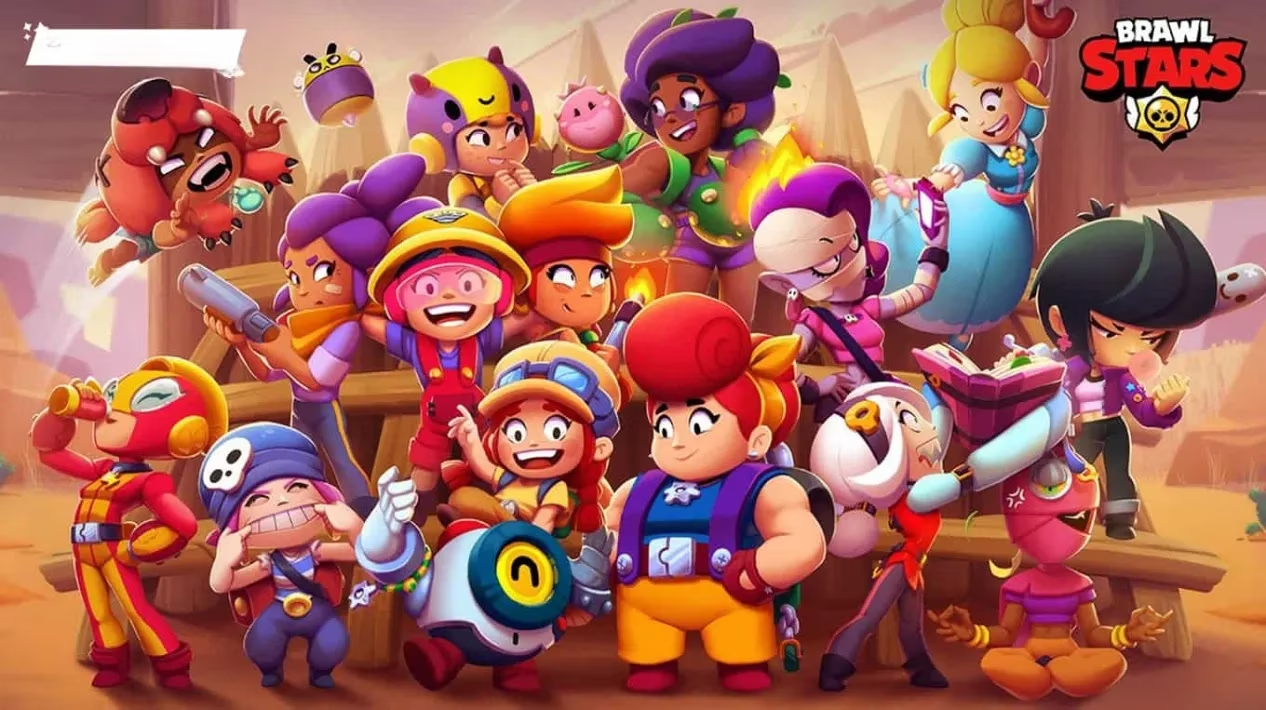
What stayed with me most was how candid the interview was about the hard parts. Keienburg pointed to February through December 2022 as the most challenging period. The team had a strong plan for the year, then Russia invaded Ukraine. Brawl Stars and other Supercell titles were removed from stores in Russia, and because the Russian community was a big group of players, the decision dealt a serious blow to their plans and had a major impact on the business. As a player, that section felt like a reminder that games do not exist in a bubble. A live-service game can look like a perfectly balanced machine from the outside, but behind it are real people making difficult calls while the world shifts underneath them.
The turnaround story was the emotional center of the interview. Keienburg said the team worked hard for about 1.5 years to get Brawl Stars back into growth mode, and he was happy to report considerable growth over the previous six months or so. I like that he did not dress it up as magic. It sounded like maintenance, iteration, and listening — the unglamorous work that keeps a game alive.
The Brawl Pass changes were a big part of that. Keienburg said the team wanted to address three things:
-
Decouple Brawler releases from the monthly pass so the pass would be more future-proof, especially since the team may eventually want to release fewer Brawlers.
-
Increase the value proposition for paying players, which was only possible by moving it to in-app purchases.
-
Fix the two-month cadence, which made things feel stale toward the end of a season.
As a player, I felt the shift: the pass stopped being a Brawler vending machine and became more of a seasonal rhythm. The reward changes were trickier. Keienburg admitted the topic is difficult because the team redistributed rewards from being very top-heavy to being accessible by a wider group. The Club changes are the clearest example. Brawl Stars moved from a hardcore bi-weekly seasonality of Club Quests and Club League to one monthly event running over a weekend — the MEGA PIG. It reduced rewards for Club efforts, but instead of playing four weeks and getting top rewards only for the top Clubs, more players could access a huge chunk of the previous rewards by being active for just one to three days per month. The remaining progress moved into the Free track of the new Brawl Pass and other systems, like upcoming Power League changes or events.
That felt like moving a trophy shelf from a private clubroom to the town square. Not everyone loved it, I am sure, but it made the game less like a closed ladder and more like a place where a casual player could still find a foothold.
Keienburg also highlighted events like the Starr Drop and Chromatic community events, where players could unlock a huge amount of progression for active participation without the rewards being available only to the top 1% of Brawl players. That approach feels like a Starr Drop itself: the shape is familiar, but the contents decide your mood. For free-to-play players, progression is the most important thing, and Keienburg said the team wanted to nudge free rewards in that direction while sustaining Bling and other cosmetic rewards as part of Starr Drops. He did not have a date for Power League changes yet, but hoped to ship them early in 2024. He also confirmed that the first update of 2024 would add additional cosmetic rewards for players across all Fame ranks.
Looking ahead from that interview, the focus was clear. With the new Brawl Pass shipped, the next step was improving Power League. Other 2024 changes would center on eventfulness, a better structure around events in general, and a strong focus on social play. Keienburg also gave a rare peek at the team: by then it had grown since summer 2020 to 45 people with 21 nationalities. Most were still developers, while a smaller group handled marketing, community, esports, and support. More people meant more fun content for the community.
| Area | What the interview revealed | My player takeaway |
|---|---|---|
| Milestone | Five years, over half a billion players, 170 billion matches | A huge community, but still a game built on small sessions |
| Challenge | Russia’s invasion of Ukraine and removal from Russian stores | Live games are shaped by real-world events |
| Growth | 1.5 years of turnaround work, then months of growth | Listening and iteration matter more than spectacle |
| Brawl Pass | Decoupled Brawlers, in-app purchase value, shorter cadence | A healthier seasonal rhythm, with trade-offs |
| Rewards | Club rewards redistributed, MEGA PIG weekend event, Free track | Wider access, less top-heavy pressure |
| Future | Power League, eventfulness, social play, Fame cosmetics | The game was trying to become more social and less stale |
From my 2026 vantage point, that fifth-anniversary interview is useful because it does not pretend the game was flawless. It shows a team trying to steer a huge, noisy, beloved game through a difficult stretch and then back toward growth. As an ordinary player, that is the kind of honesty I want: not a victory lap, but a clear look at the map, the mistakes, and the next lane the team wanted to open. 🎮
Industry analysis is available through Forbes - Games, whose reporting often helps frame how live-service titles respond to market pressure, platform changes, and player retention challenges. In the context of Brawl Stars’ fifth-anniversary reflections, that broader lens makes the interview’s focus on pass restructuring, reward redistribution, and renewed social systems feel less like isolated design tweaks and more like a deliberate strategy to stabilize growth while keeping the game accessible to both long-term and casual players.
0 Comments