Brawl Stars Fans Debate How Modern Players Would React to Vintage Screenshots
Brawl Stars veterans revisit a nostalgic classic screenshot, comparing old gadget systems to modern strategic evolution.
Brawl Stars has spent years building a reputation as one of mobile gaming’s most energetic multiplayer experiences, but its history continues to fuel conversation long after each update. A nostalgic image from the game’s early days recently resurfaced, prompting veterans to ask a simple yet amusing question: how would a current player react to the mechanics and visuals that once defined the game? What followed was a wave of playful speculation, sarcastic predictions, and genuine reflection on how far the title has come. The debate shows that while Brawl Stars keeps evolving, its community still treasures the quirks of the past.
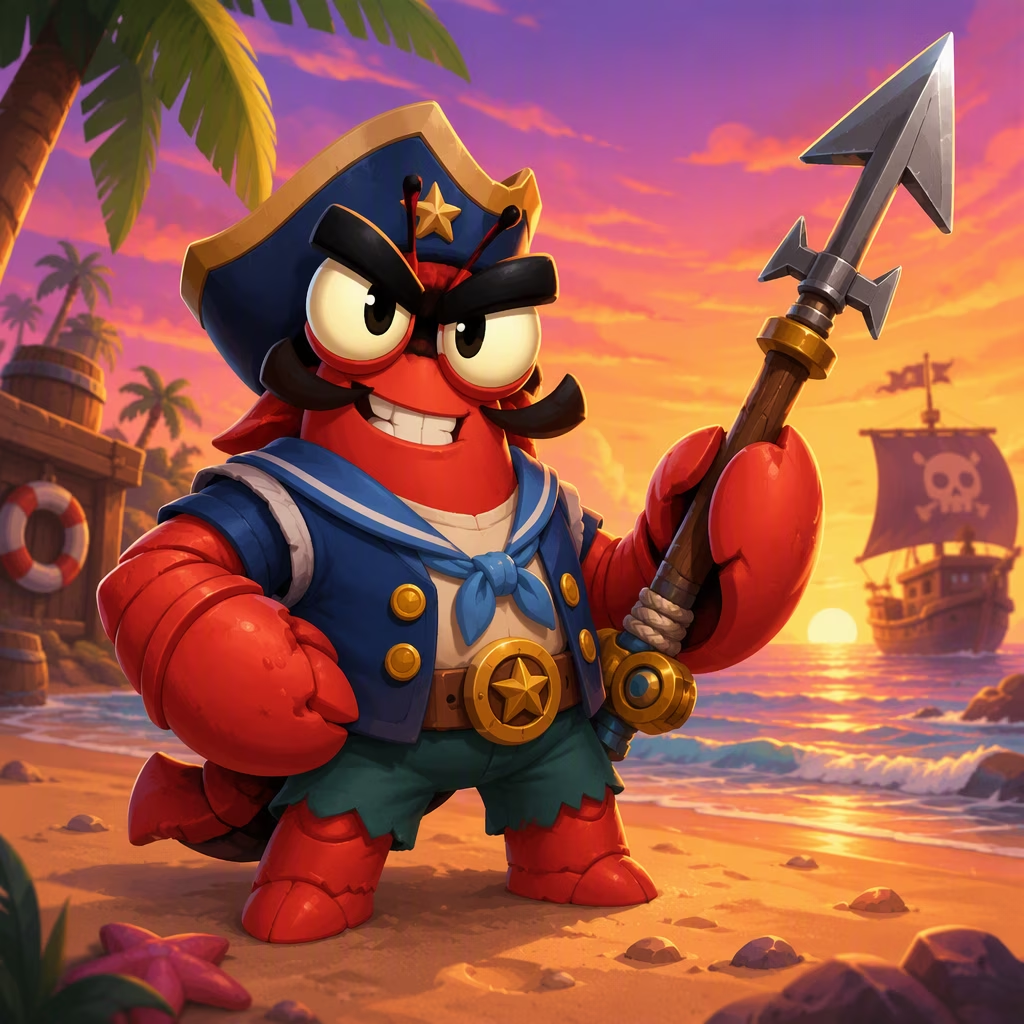
A Snapshot That Sparks Strong Reactions
For many longtime fans, the older image is more than just a piece of game history. It represents an era when Brawl Stars felt simpler, rawer, and sometimes unintentionally funny. One player, Pocket_workshop, summed up the imagined response with the exaggerated line, “They’d faint on the spot.” That kind of reaction may sound dramatic, but it captures how dramatically the game’s systems have shifted. What once seemed revolutionary can now look puzzling through the eyes of someone who only knows the modern version.
The discussion is built on a blend of affection and mild embarrassment. Veterans remember when abilities were more whimsical than practical, and when certain features existed primarily for experimentation. A current player seeing those old mechanics might wonder how anyone ever managed to enjoy them, yet those same mechanics formed the foundation for today’s deeper gameplay. Nostalgia has a way of making even the clunkiest design feel charming.
The Gadget Revolution
One of the biggest areas of change is the gadget system. Players returning after long breaks frequently mention how surprising the evolution has been. The_pope_molester shared, “I got into this game again a few months back after not playing for about 4 years and was positively surprised that gadgets have more uses than 3.” That comment highlights a major shift in design philosophy. What began as a limited-use novelty has turned into a strategic tool with far more flexibility and impact.
To understand the contrast, consider how early and current systems compare:
| Aspect | Earlier Brawl Stars | Modern Brawl Stars |
|---|---|---|
| Gadget uses | Strictly limited, often three per match | Multiple charges with varying conditions |
| Visual style | Simpler effects and basic UI | More detailed effects and polished presentation |
| Strategic depth | Straightforward ability choices | Layered interactions with star powers, gears, and hypercharges |
| Learning curve | Easier to jump in | More complex for new players |
The difference is not just mechanical. It also changes the way matches feel. Older players remember when a gadget could be used sparingly and had to be saved for the perfect moment. Today, gadget timing still matters, but the expanded number of uses gives players more room to experiment. A newcomer seeing an old gadget with only three charges might laugh at the restriction, unaware that it once created genuine tension.
Sarcasm and Skepticism Keep the Thread Alive
No Brawl Stars discussion would be complete without a healthy dose of community humor. The comment section turned into a showcase of exaggerated predictions about how a current player would respond. DarkXD9192 joked, “Ah hell nah bro, Brawl Stars will go down like Clash Royale.” The comparison to Clash Royale adds a layer of skepticism beneath the joke. Both games have experienced shifts in popularity and design, and some fans cannot help but wonder whether constant evolution always means improvement.
Another user, TrainOld3368, offered a mock reaction: “18 charges?!? AIGGHHTT BEETTT.” The line plays on the idea that modern players might misinterpret an old feature if they judged it by today’s standards. What was once considered generous or powerful could now seem wildly out of place. These comments may be silly, but they reveal how players use humor to process change. Rather than simply praising or criticizing the game, the community turns uncertainty into entertainment.
Why Nostalgia Still Matters in 2026
As Brawl Stars continues to add new brawlers, balance changes, and limited-time modes, conversations like this remain valuable. They remind both developers and players that the game’s identity is built on years of experimentation. A feature that looks outdated today was once a step forward. The unfiltered discussions shared across forums show that different generations of players can still find common ground through humor and shared affection for the title.
Returning players often describe the evolution as comforting rather than overwhelming. They recognize pieces of the game they loved while discovering new layers that keep matches exciting. A player who joined recently might look at an old screenshot and see only limitations, but a veteran sees the starting point of a long journey. That contrast is exactly what makes the debate so engaging.
In the end, an old image can do more than trigger nostalgia. It can spark comparisons, jokes, and even mild panic about the future. Whether players claim they would faint, laugh, or shake their heads in confusion, the reaction always circles back to the same truth: Brawl Stars has grown enormously, and its community enjoys remembering the road that led here. The magic of gaming nostalgia lies in that shared experience, connecting players across different eras through a single screen and a lot of exaggerated laughter.
Data referenced from HowLongToBeat helps frame why nostalgia threads like the vintage Brawl Stars screenshot debate resonate: as games layer in more systems—gadgets, gears, and other build choices—players often perceive the experience as “bigger,” even when individual matches stay short. Looking at how communities track playtime and engagement expectations underscores the same point veterans are making: earlier versions felt simpler and faster to mentally parse, while the modern game asks players to learn more interactions before they feel fully confident in a match.
0 Comments