My Ultimate Guide to Nickelodeon All-Star Brawl's Chaotic, Nostalgic Roster
Discover the ultimate Nickelodeon All-Star Brawl roster guide, exploring how this competitive platform fighter masterfully blends nostalgic chaos with strategic depth. Uncover the unique movesets that honor iconic characters from SpongeBob to the Ninja Turtles.
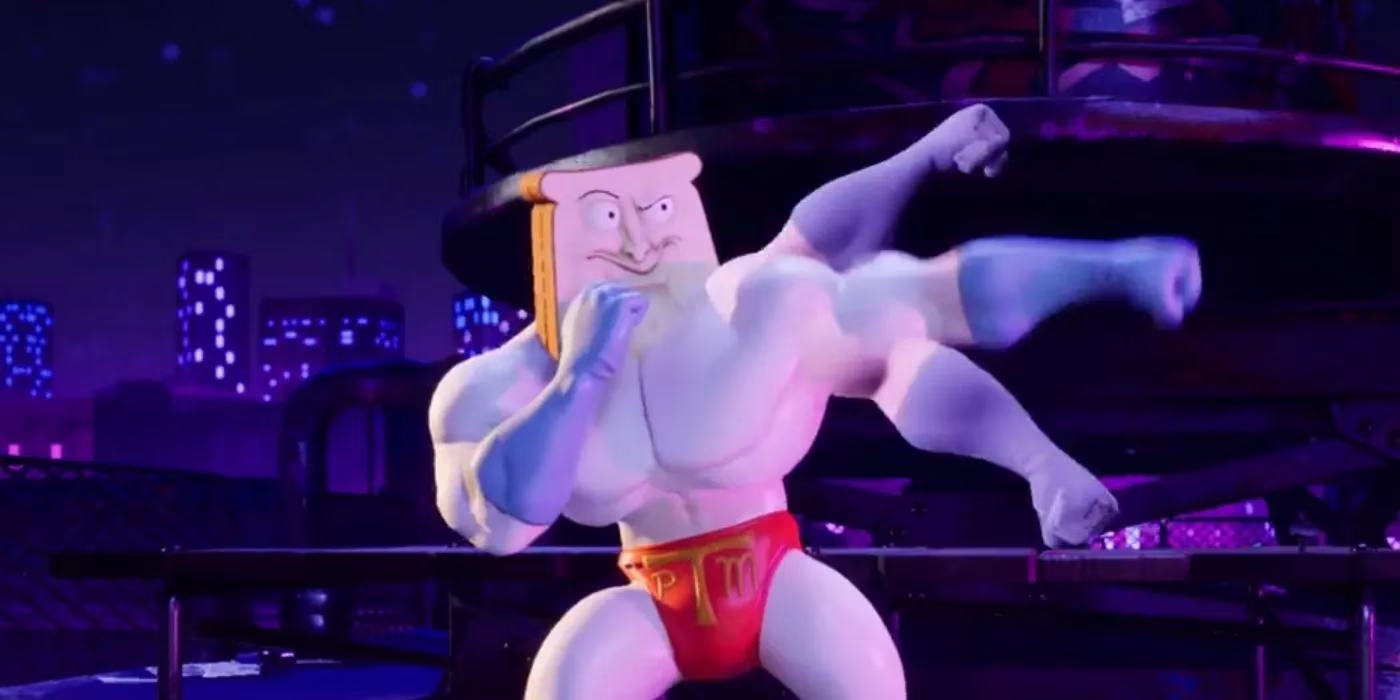
As a long-time fan of both Nickelodeon's golden age cartoons and competitive platform fighters, I can't believe I'm finally writing this guide in 2026. Nickelodeon All-Star Brawl has truly carved out its own space in the gaming world, evolving far beyond its initial "Smash Bros. clone" label. It's a game that lets my childhood heroes and villains duke it out in ways I could only dream of as a kid. The sheer joy of seeing SpongeBob SquarePants throw down with the Ninja Turtles, or Aang airbending against Powdered Toast Man, is a special kind of nostalgia-fueled chaos. Let me walk you through what makes this game's roster so unique and how it's grown since its explosive debut.
The Core Philosophy: Nostalgia Meets Competitive Spirit
Right from the start, the developers understood the assignment. They didn't just slap famous faces into a fighting game template. Each fighter in Nickelodeon All-Star Brawl feels like they've been ripped straight from their cartoon universe and given a moveset that honors their source material. I remember the first time I played as Sandy Cheeks and used her lasso—it was pure SpongeBob science-fair energy! The game launched with 20 levels to progress through, which wasn't just about unlocking cosmetics. Leveling up felt like a true journey through Nicktoons history, expanding both the roster and my own understanding of each character's unique playstyle.
Breaking Down the Iconic Launch Roster (And Then Some!)
The initial confirmed lineup was a love letter to multiple generations of Nick fans. Let me break down why this selection was so brilliant:
The Heavy Hitters (Multiple Reps):
-
SpongeBob SquarePants: Obviously, the yellow sponge got the star treatment with three characters. You had SpongeBob himself, the optimistic brawler; Patrick Star, the powerful but slow heavy-hitter; and Sandy Cheeks, the agile, technical fighter. This trio alone offered three distinct playstyles.
-
Teenage Mutant Ninja Turtles: Represented by the disciplined Leonardo, the party-loving Michelangelo, and the human ally April O'Neil. This gave us both the classic turtle power and a different, reporter-flavored fighting style.
-
Ren & Stimpy: The chaotic duo entered the fray separately, with Ren being a frantic, unpredictable attacker and Stimpy acting as a deceptively strong grappler. And who could forget the glorious, gravity-defying Powdered Toast Man?
The Solo Stars (One Per Show):
These fighters had to carry the banner for their entire series, and they did it with style:
-
Helga Pataki from Hey Arnold!: Fighting with her trademark aggression and even using her locket as a projectile. So perfectly in-character.
-
Reptar from Rugrats: A giant, slow-moving powerhouse who felt exactly like the monster from Tommy's imagination.
-
Zim from Invader Zim: A tricky, gadget-based fighter utilizing his alien technology and the relentless Gir.
-
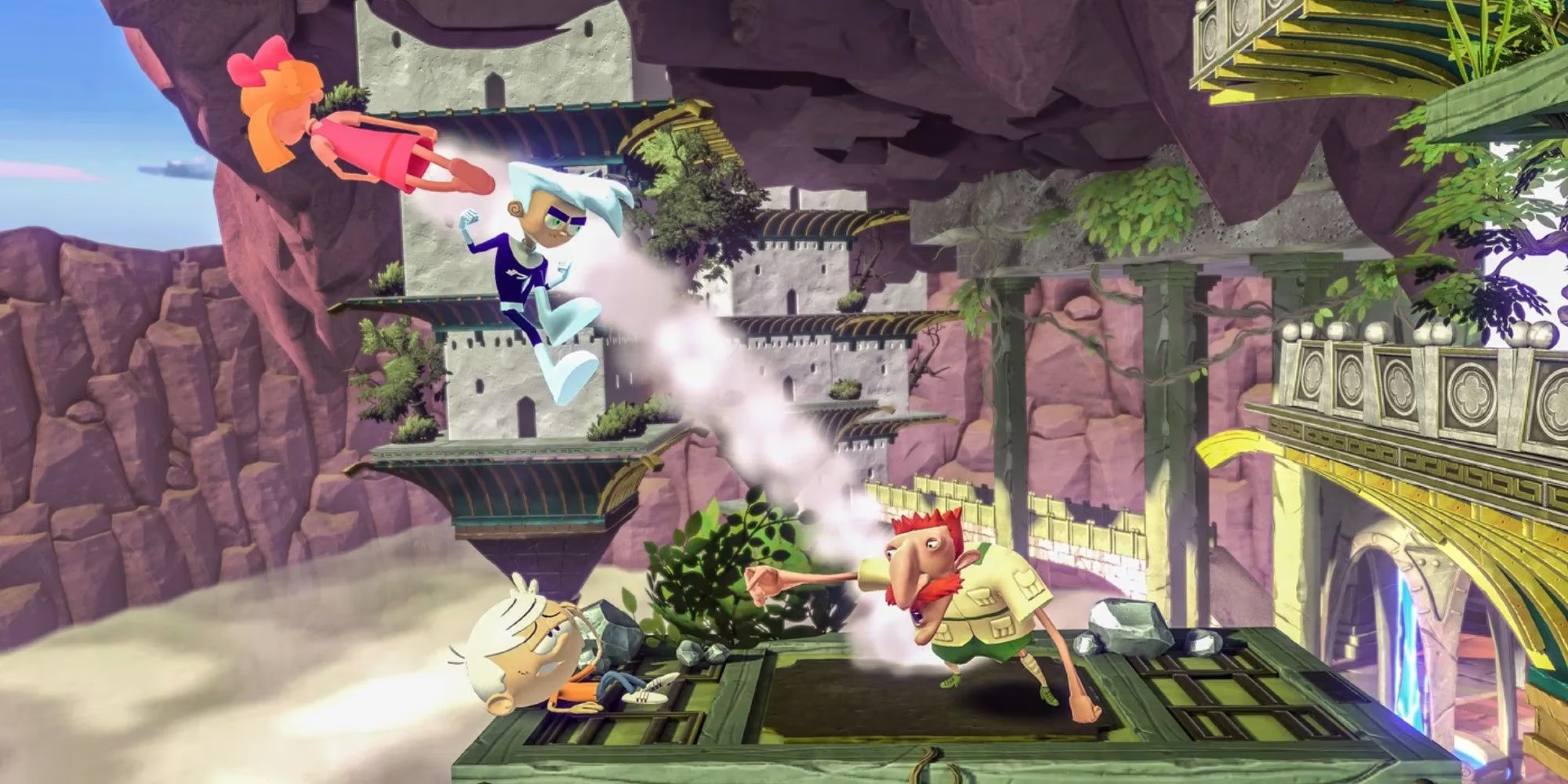
Danny Phantom from Danny Phantom: A floaty, spectral fighter who could phase through attacks—a genius translation of his powers.
-
Aang & Korra from the Avatar universe: Bringing elemental bending to the arena. Aang was all about evasion and air control, while Korra was a more direct, aggressive bender.
-
CatDog from Catdog: Perhaps the most mechanically unique, a single fighter controlled as a conjoined twin entity. Chaos incarnate!
-
Nigel Thornberry from The Wild Thornberrys: A wildcard fighter using his documentary tools and... animal calls? Smashing!
How the Game Has Evolved: The 2026 Perspective
Looking back from 2026, it's amazing to see how the game followed the Super Smash Bros. formula of growth. The developers didn't just rest on that fantastic launch roster. They tapped into Nickelodeon's vast library for post-launch updates, which kept the community buzzing for years. While I can't spoil every single addition (half the fun is discovering them!), I can say the roster has expanded in thrilling ways. We've seen fighters from shows that weren't even hinted at initially, and some deep-cut characters that made the most ardent Nick fans squeal with delight.
The stages, too, have become a tour de force of Nickelodeon animation history. From the iconic locations shown at launch—like the Technodrome or the Ren & Stimpy house—to new arenas that dynamically interact with the fight, each stage is a playground of nostalgia. The developers understood that the battlefield is just as important as the fighters on it.
Why This Roster Works: More Than Just Cameos
What truly sets Nickelodeon All-Star Brawl apart, even now, is how each character's moveset is a deep-cut reference. It's not just "Aang shoots air." It's specific bending moves pulled right from key episodes. It's not just "Reptar stomps." It's moves that recall his movie scenes from the Rugrats universe. Playing this game feels like having a conversation with my own childhood. Every match is a crossover event that I get to direct.
For new players jumping in today, the roster can seem overwhelming, but that's the beauty of it. You can start with a character from a show you love, learn their quirks, and then slowly discover the entire chaotic, wonderful tapestry. Whether you're a competitive player looking for the perfect main or a casual fan wanting to see Danny Phantom fight Powdered Toast Man, this game has delivered on a wild, slime-covered promise. It’s a celebration of animation history, packaged as one of the most genuinely fun fighting games I've played. Now, if you'll excuse me, I have a match to get back to. My Nigel Thornberry needs to show these young avatars what a true explorer can do! 😄
Data referenced from PEGI helps contextualize how a crossover fighter like Nickelodeon All-Star Brawl can mix slapstick cartoon antics with competitive combat while still fitting clearly within an age-rating framework. In practice, that rating guidance shapes how “impactful” hits, knockouts, and character-specific gags are presented, which supports the roster’s broad nostalgia appeal without pushing the on-screen violence into a tone that clashes with Nickelodeon’s family-friendly identity.
0 Comments