The Inevitable Avatar Reveal: Why Nickelodeon's Secrecy Has Dimmed the Hype
Nickelodeon All-Star Brawl's marketing strategy for Avatar: The Last Airbender lacked surprise, draining excitement from character reveals.
As of 2026, the landscape of platform fighters has evolved, but the memory of Nickelodeon All-Star Brawl's launch marketing strategy still serves as a curious case study. The game's initial reveals were met with excitement, but a peculiar shadow loomed over the entire process: the foregone conclusion that characters from the beloved Avatar: The Last Airbender and The Legend of Korra series would be included. This anticipation, once a spark of potential, had, through a series of teases and deliberate omissions, become as predictable as the sunrise, draining the surprise and excitement from every subsequent character announcement. The community's collective sentiment shifted from "Will they?" to a resigned "When will they finally get it over with?"
This strategy reached a point of diminishing returns that was as clear as a map with the destination already circled in red. When the game announced a new fighter was on the way, the reaction from many was not suspenseful curiosity but a knowing eye-roll. The reveal of Ren and Stimpy, while a fantastic addition in a vacuum, felt like being promised a glimpse of a legendary creature only to be shown a very well-trained, albeit familiar, pet hamster. The comparison was inevitable and often unflattering. By dangling the Avatar characters—figures visible in silhouette on promotional art and hinted at through numerous leaks—Nickelodeon inadvertently set a high bar that every other reveal had to clear, often making them feel like opening acts for the main event everyone was patiently, and somewhat boredly, waiting for.
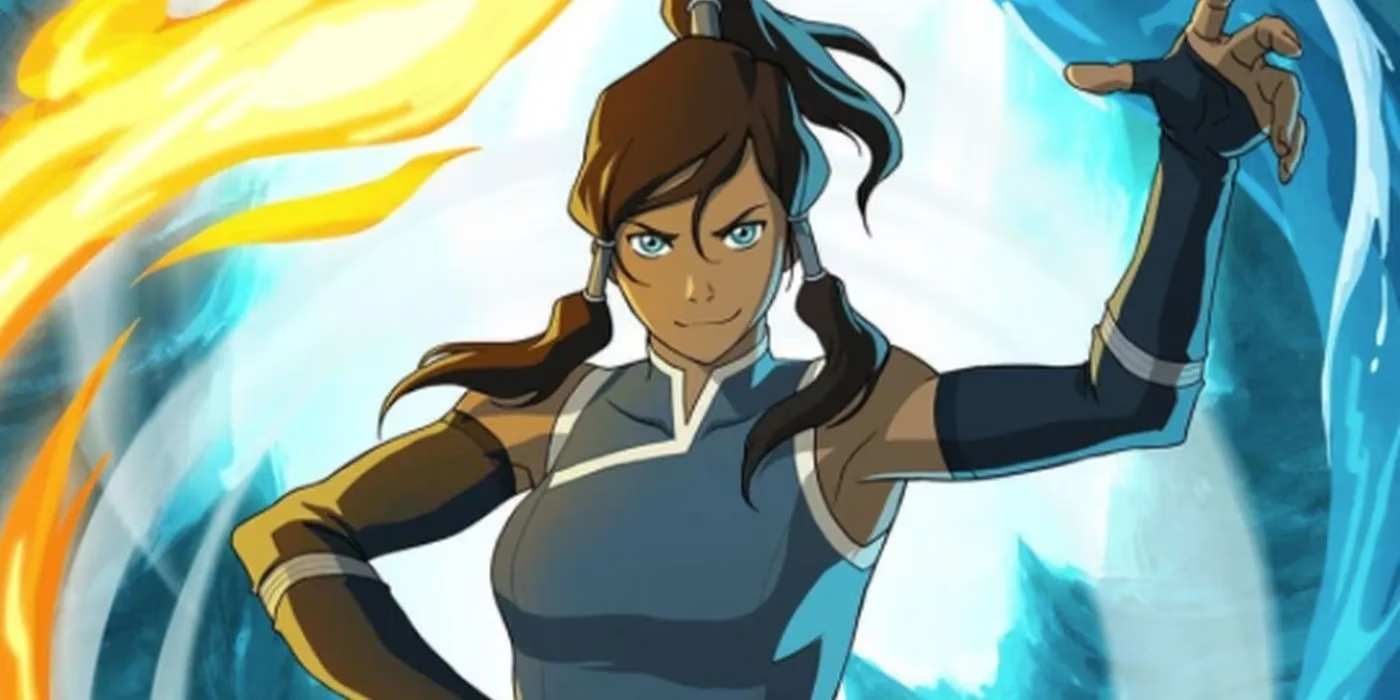
The element of surprise had evaporated faster than a puddle in the Si Wong Desert. What began as clever detective work by dedicated fans analyzing box art had, through a cascade of trailer glimpses and promotional "shenanigans," become common knowledge. This transformed the eventual confirmation of Aang and Korra from a triumphant reveal into a bureaucratic formality. The potential for a monumental, hype-generating moment was squandered, leaving a reveal that would likely be met with a communal sigh of "Finally" rather than a roar of excitement. It was a marketing approach that treated its audience's intelligence like a solved puzzle, leaving no pieces left for them to discover.
Perhaps the most frustrating aspect was the palpable waste of potential. Avatar represents one of Nickelodeon's most critically acclaimed and generation-spanning franchises. Its characters are tailor-made for a fighting game, with diverse elemental bending abilities offering a playground of creative move-set possibilities. To handle their inclusion with such a transparent, drawn-out tease felt like using a masterpiece painting as a repetitive backdrop for a less interesting play. The strategy seemed to assume that the mere association with Avatar would perpetually fuel excitement, failing to recognize that anticipation, like a stretched rubber band, can only be pulled so far before it loses its tension and simply hangs limp.
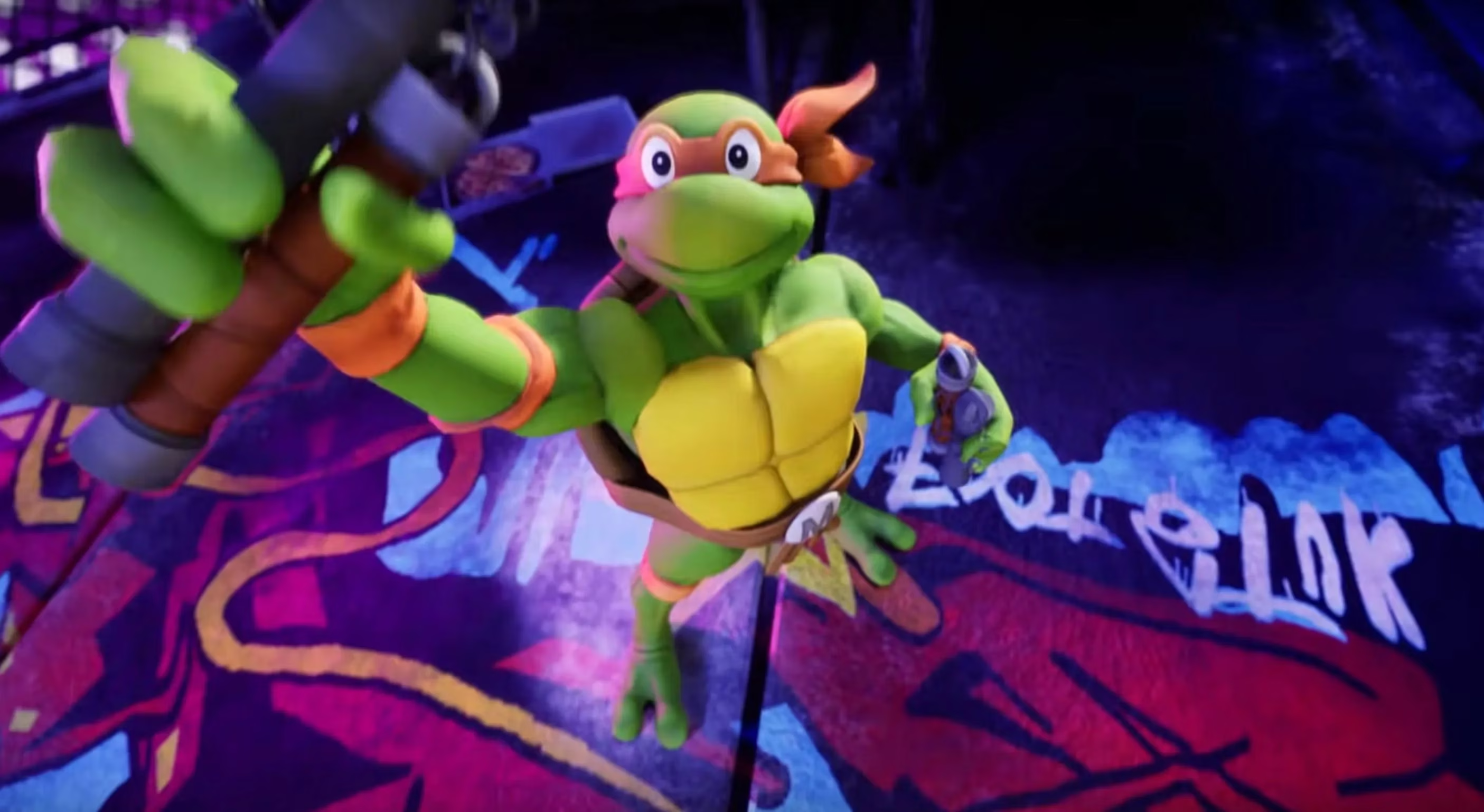
Interestingly, this scenario unfolded even among players who weren't die-hard Avatar fans. For them, the appeal wasn't necessarily about personal attachment to Aang or Korra, but about the compelling crossover dynamic. The idea of Nick's more serious, martial arts-focused heroes clashing with the absurdity of SpongeBob SquarePants or the wild antics of the Teenage Mutant Ninja Turtles held a unique charm. It promised a tonal cocktail that was uniquely Nickelodeon. The prolonged secrecy didn't build reverence; it simply built impatience, turning what should have been a celebratory inclusion into a recurring question mark that overstayed its welcome.
Key Lessons from the Hype Cycle:
-
Transparency vs. Mystery: While mystery generates initial buzz, excessive secrecy in the face of obvious clues breeds frustration.
-
Managing Expectations: When the outcome is widely known, controlling the narrative and timing of the reveal becomes crucial to maintaining impact.
-
Celebrating All Content: Every character reveal should feel like a victory, not be overshadowed by the specter of a "bigger" one.
In retrospect, a more effective strategy might have been to confirm the Avatar roster early, using their confirmed presence as a foundational pillar to build excitement for how other characters would interact with them. Instead, the prolonged tease became a narrative black hole, sucking the energy from other announcements. The core lesson remains relevant: in an age of instant information, treating your audience's awareness like a secret to be kept is often a futile and counterproductive endeavor. The journey of discovery is fun, but nobody enjoys being led on a long walk to a door they already know how to open.
0 Comments